How to plan a conference live stream
From the goal of the event to measuring the result. What to get ready before you start thinking about cameras.
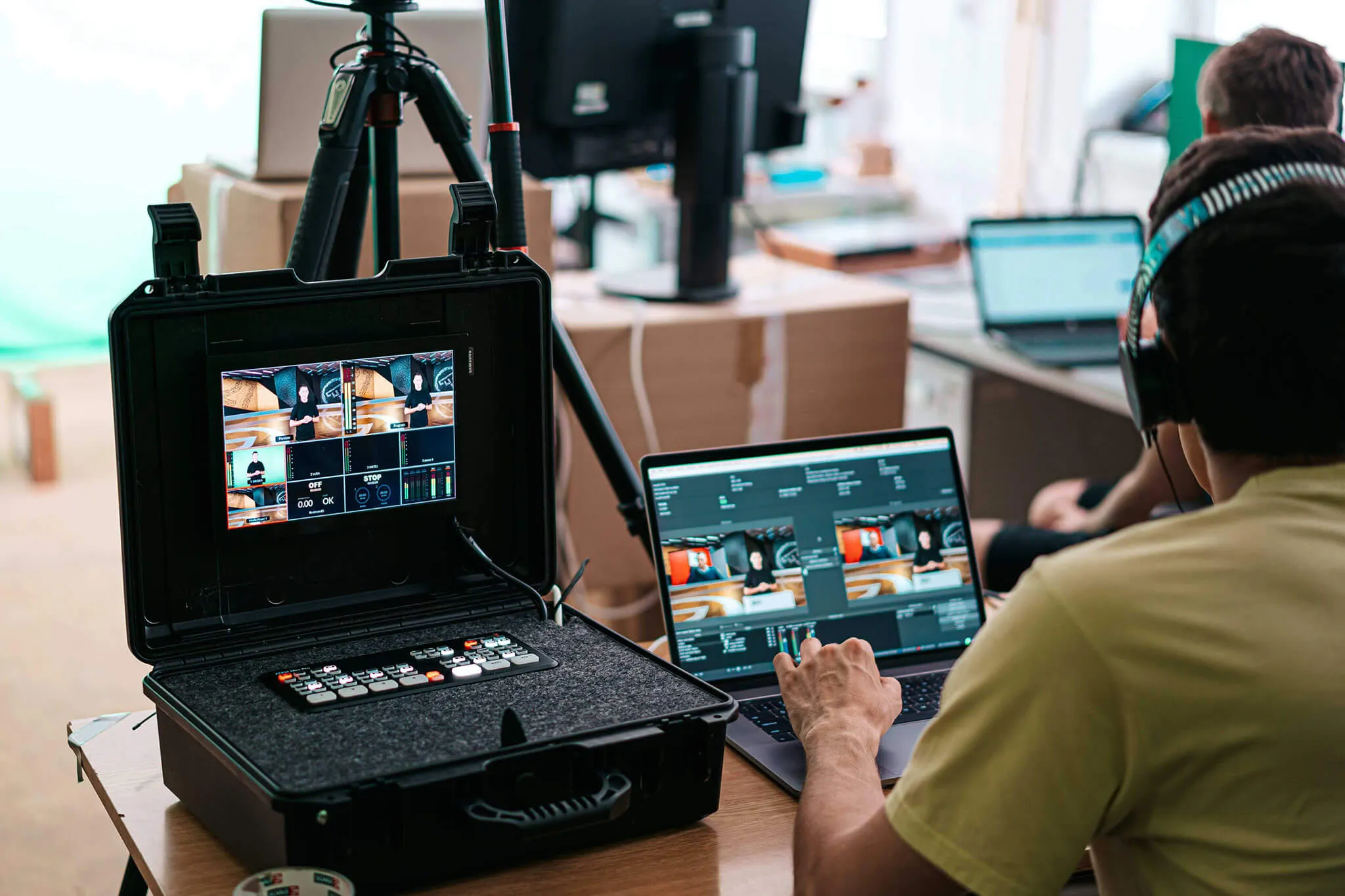
When you’re in charge of a conference live stream, most of the work happens before anyone switches on a camera. This is the order we tackle it in.
1. Planning
- Get clear on the goal. Do you want to launch a product, educate an audience, or get a discussion going? The format and the length of the programme follow from that.
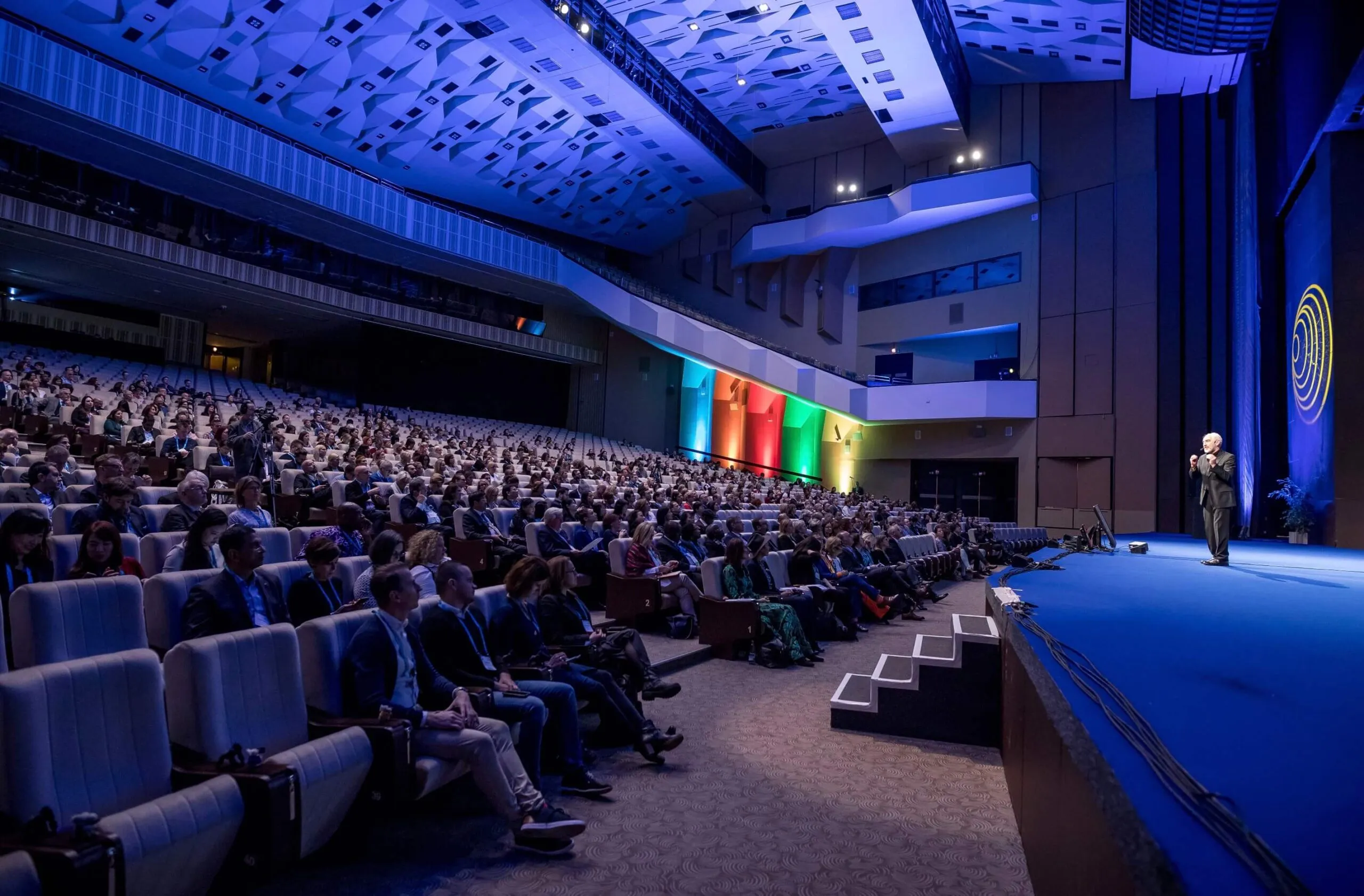
- Choose the format. A purely online conference, or a hybrid one with an audience in the room? A hybrid event asks more of the sound and the vision mixing, because you’re serving two audiences at once.
- Map out the programme. With breaks and time for questions. An online viewer stays focused for less time than someone in the room.
2. The tech
- Platform. Zoom, Teams, YouTube, or your own website? Choose by what else you need - polls, chat, restricted access.
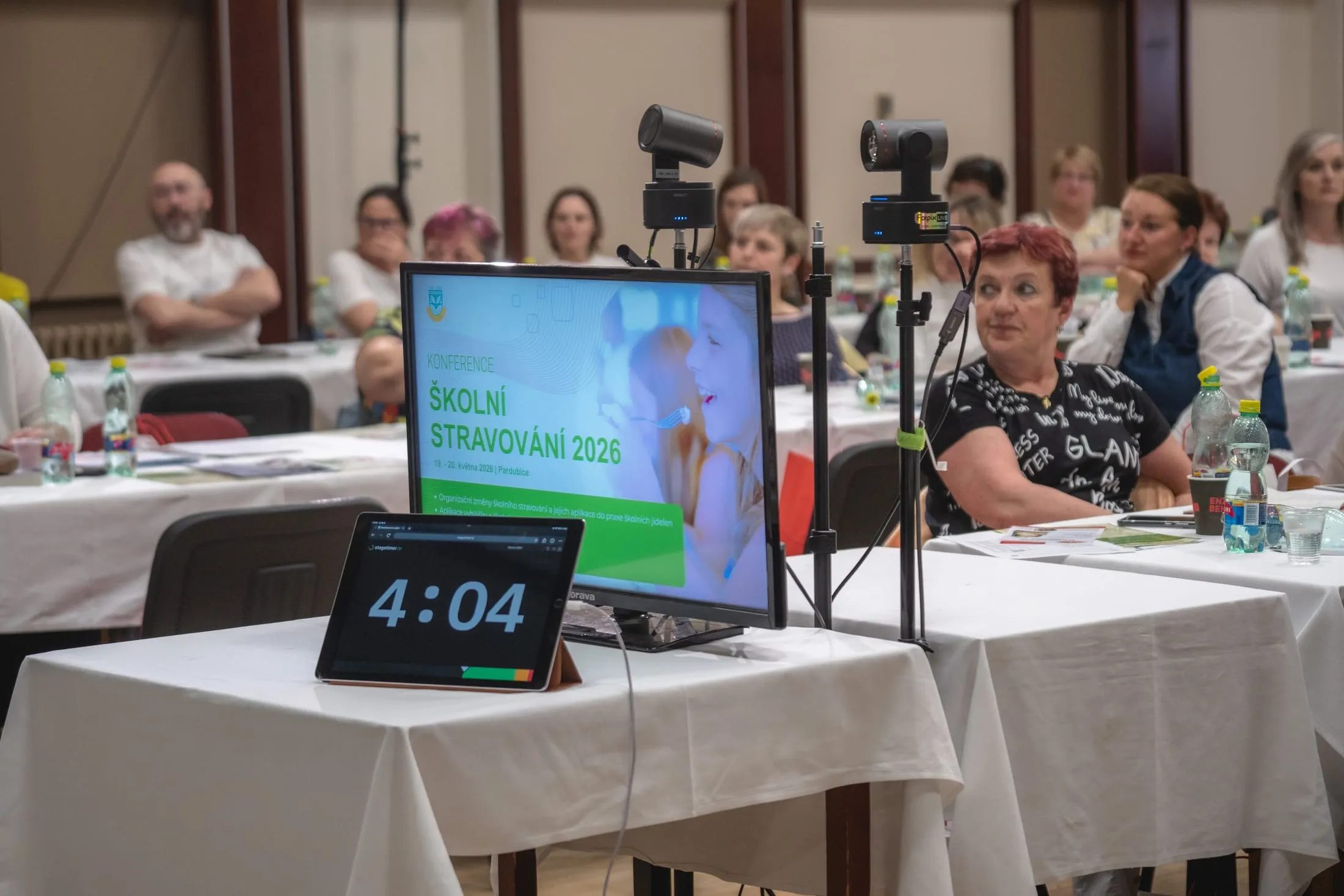
- Equipment. Camera, microphones and lighting. At a hybrid event especially: the online viewer should see and hear as well as someone in the room.
- Internet. The most important item, and the most often underestimated. Ask for the actual speed and have a backup connection.
3. Content
- Slides. Readable on a phone too. What’s small on the screen in the room is unreadable online.
- Interaction. Polls and Q&A hold attention. Agree in advance who collects the questions and who passes them to the speaker.
- Rehearsal. Run through the whole chain for real before the first guest arrives.
4. On the day
- A technician on site. Not someone who starts the stream and leaves. Someone who fixes a problem while you’re on air.
- A host. The link between the room and the online audience. Without one, the online viewer feels like an onlooker.
- Recording. Record locally too, independently of the stream.
5. After the event
- Feedback. A short questionnaire within two days, while people still remember the event.
- Numbers. How many people joined, how long they stayed, where they dropped off. You plan next year better from that than from impressions.
6. Promotion
- Channels. Tell people about the event where your audience already is, not everywhere.
- Registration. As simple as possible, with a reminder a few days before.
You can tell a well-prepared conference by the fact that on the day there’s nothing left to sort out.
Planning something similar?
Tell us what you are running. We reply within two working days with a specific price.
How we broadcast this kind of event