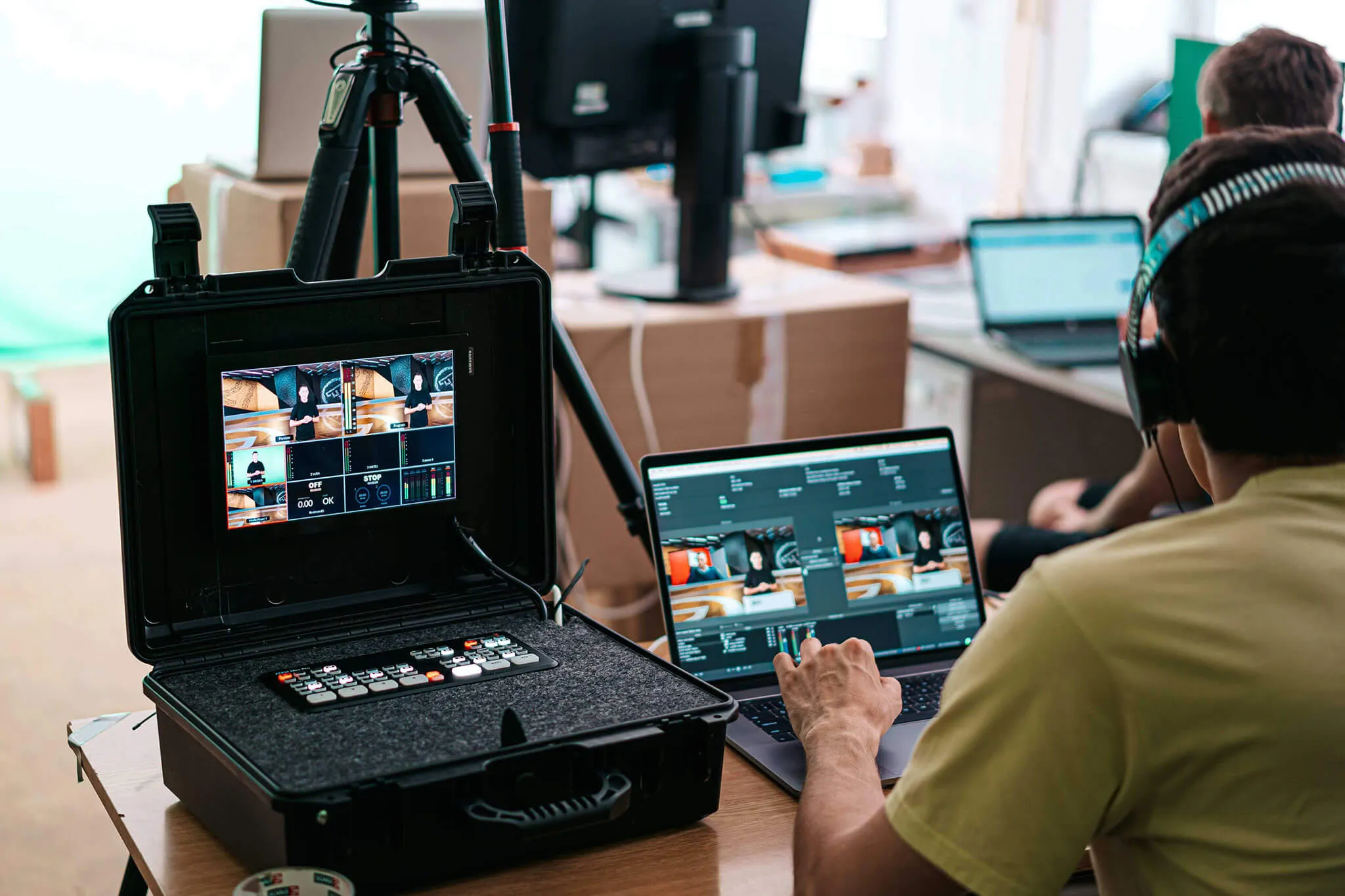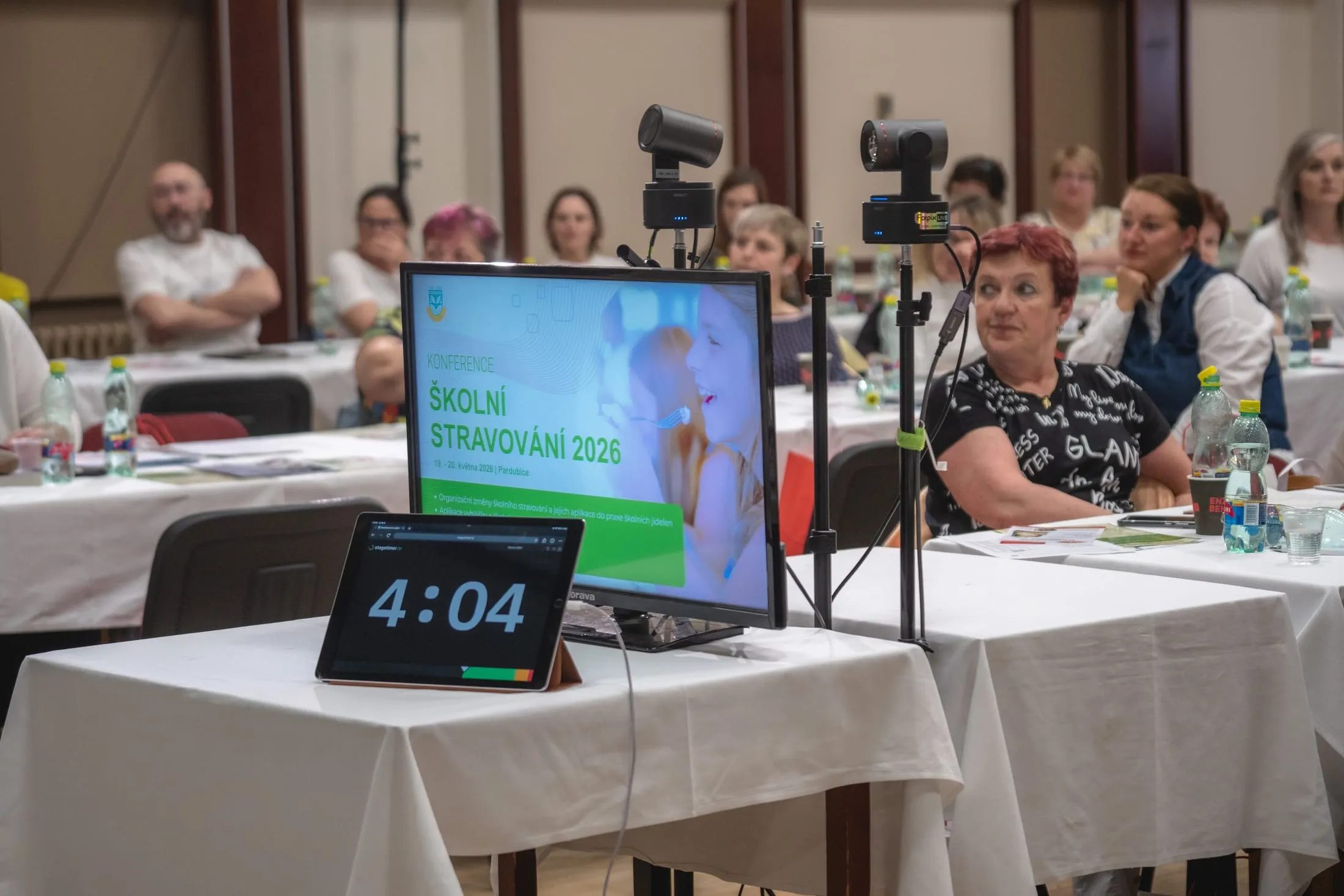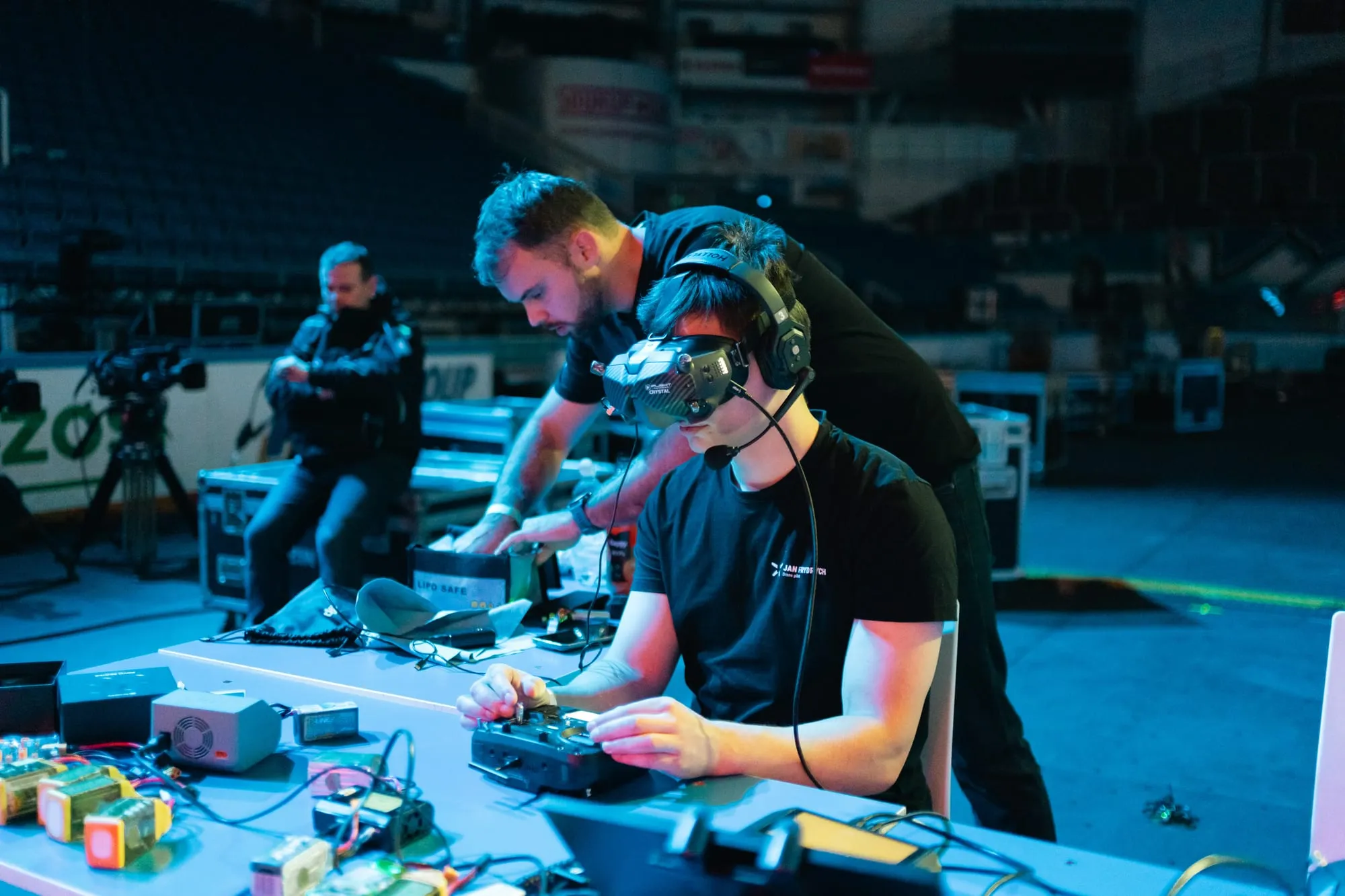
How to avoid mistakes: 3 lessons from our first live stream
Internet, who does what, and getting viewers involved. Three things our first broadcast stumbled on.
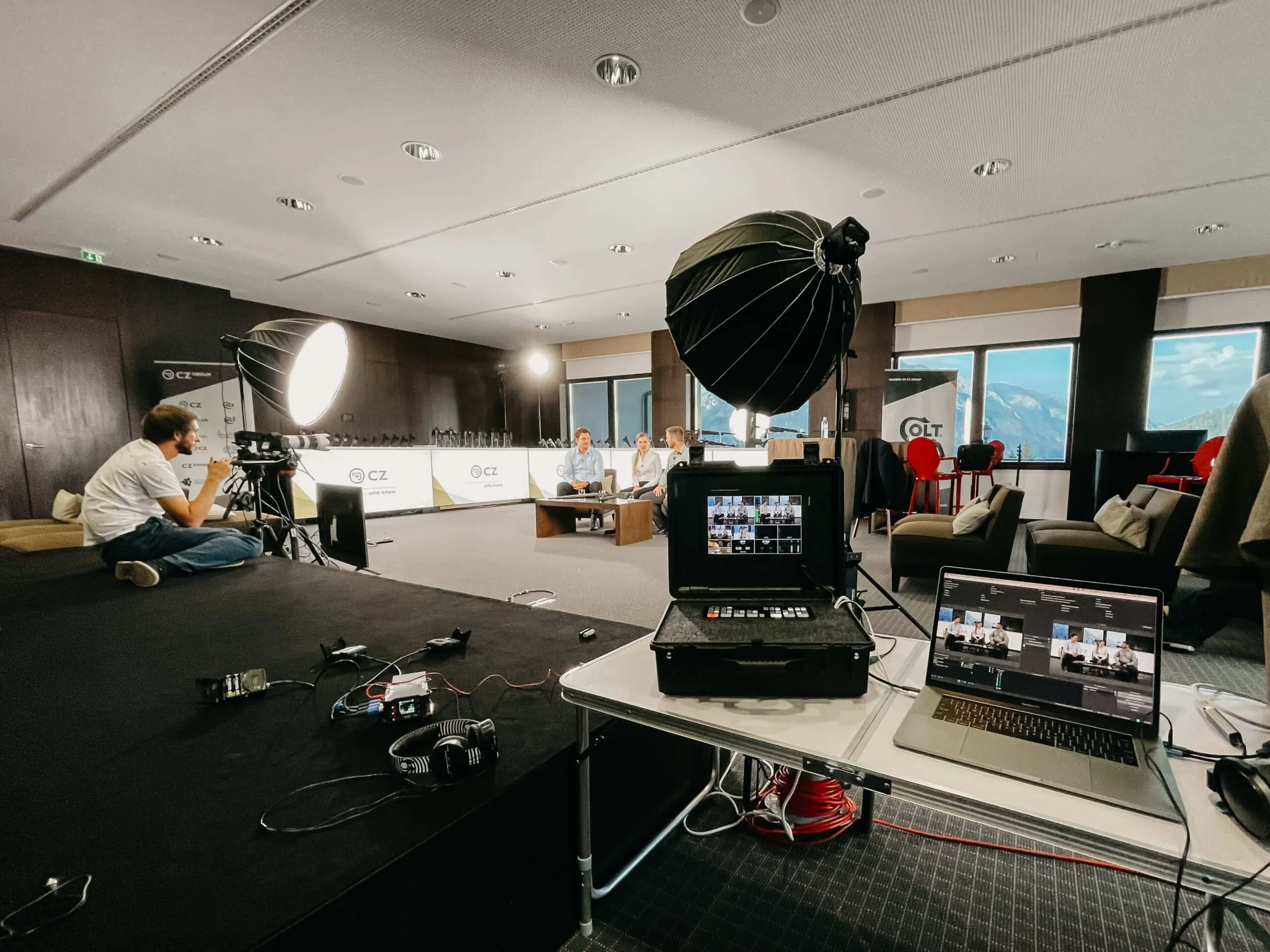
We broadcast our first live stream before we knew everything that can go wrong. Here are three things we wish we had read beforehand.
1. The tech isn’t just the kit
We thought a good camera and a microphone would do. They do not. When the internet starts dropping out halfway through a broadcast, it makes no difference what you’re filming on. Even the best equipment can’t rescue a bad connection.
Since then we always broadcast over at least two connections at once.
What to do: test the internet at the venue in advance, have a backup network, and go through the technical details well before the day of the event.
2. Without clear roles, you get chaos
We felt everyone knew what to do. The truth was different. Without clearly assigned tasks and ongoing communication, things go sideways faster than you expect.
Wireless intercoms are now the first thing we set up at any event.
What to do: assign roles in advance and agree who tells whom what during the broadcast, and how.
3. Viewers want to be part of it
On our first broadcast we just transmitted and expected that to be enough. It was not. People want to vote, ask questions and see that someone is listening.
What to do: include a poll, leave room for questions and answer them live.
In short
A backup connection, clear roles and space for viewers. Three things that decide whether a broadcast runs to the end or grinds to a halt.
Planning something similar?
Tell us what you are running. We reply within two working days with a specific price.
How we broadcast this kind of event